

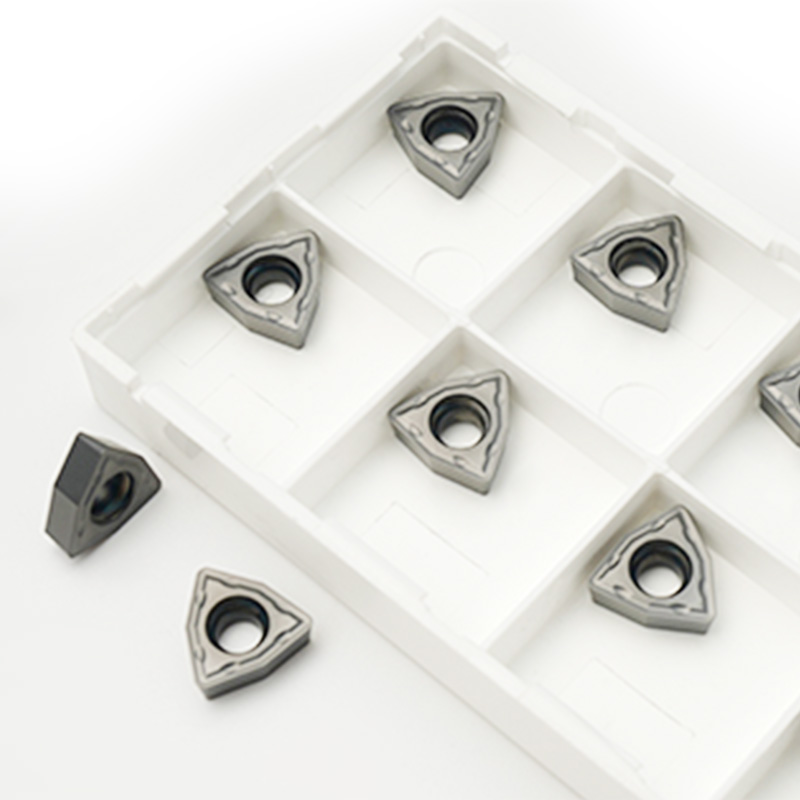
Advancements in Tool Materials
The future of cutting tools is closely linked to advancements in material technology. New materials, such as high-performance ceramics and advanced composites, offer superior hardness, wear resistance, and thermal stability. These innovations enhance tool longevity and performance, allowing for more efficient and precise metalworking.
Smart Cutting Tools and Automation
Smart cutting tools equipped with sensors and real-time monitoring systems are becoming increasingly prevalent. These tools provide valuable data on tool condition, wear, and performance. Integration with automation systems allows for adaptive adjustments during machining, leading to improved accuracy, reduced downtime, and enhanced efficiency.
Sustainable Manufacturing Practices
Sustainability is a growing focus in metalworking. Cutting tool manufacturers are adopting eco-friendly practices, such as using recycled materials and developing tools with longer lifespans. Additionally, sustainable cutting fluids and energy-efficient machining processes are being integrated to reduce environmental impact and promote green manufacturing.
Precision and Micro-Machining Technologies
The demand for precision components is driving the development of micro-machining technologies. Cutting tools designed for micro-machining applications enable the creation of intricate and miniature parts with high accuracy. These tools are essential for industries such as electronics, aerospace, and medical device manufacturing.
Enhanced Tool Coatings and Treatments
Tool coatings and surface treatments continue to advance, providing enhanced performance and durability. Coatings such as Titanium Aluminum Nitride (TiAlN) and diamond coatings improve tool hardness and reduce friction. These treatments extend tool life and maintain performance even under challenging machining conditions.
Industry 4.0 and Digital Integration
The rise of Industry 4.0 is transforming metalworking with digital integration. Cutting tools are increasingly connected to digital systems, allowing for data collection and analysis. This integration facilitates predictive maintenance, process optimization, and enhanced decision-making, leading to more efficient and effective metalworking operations.
Challenges and Opportunities
While these trends present exciting opportunities, they also come with challenges. High costs of advanced technologies and the need for specialized training are potential hurdles. However, addressing these challenges through strategic investments and skill development can unlock significant benefits and drive innovation in metalworking.
Conclusion
The future of cutting tools in metalworking is marked by advancements in materials, technology, and sustainability. Emerging trends such as smart tools, precision technologies, and digital integration are set to transform the industry. Staying abreast of these developments will be crucial for manufacturers seeking to enhance their operations and capitalize on the evolving landscape of metalworking.