

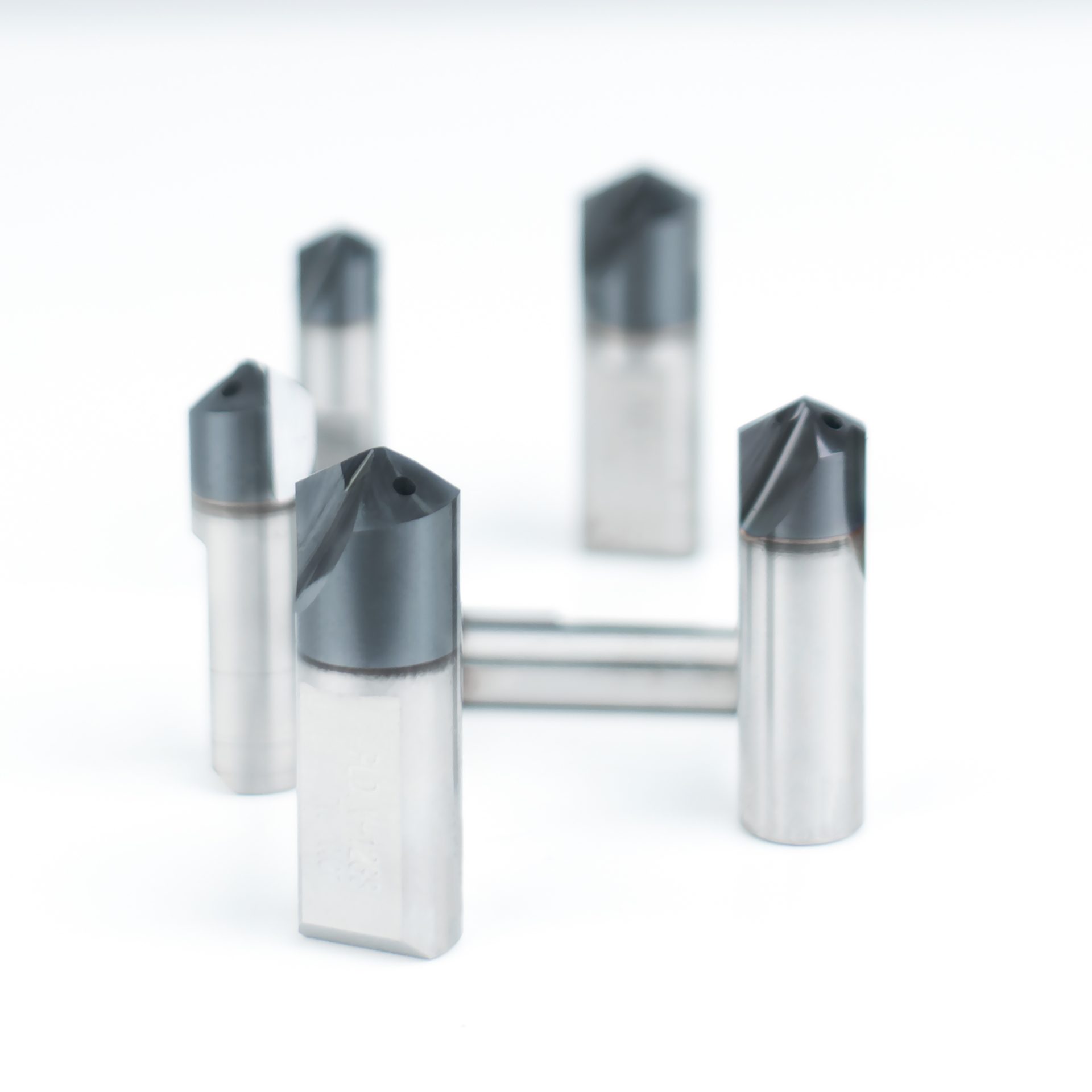
What Are Center Drills?
Center drills, also known as combination drills or center bits, are specialized cutting tools designed to create a small, conical hole at the center of a workpiece. These holes act as guides for larger drills, ensuring they do not wander or slip during the initial drilling process. This precision is crucial, especially when working with metals and other hard materials, where even a slight deviation can compromise the quality and accuracy of the final product.
The Purpose of Center Drills in Machining
Center drills serve multiple purposes in machining:
- Ensuring Accuracy: The primary function of a center drill is to create a starting point that helps larger drills maintain accuracy. By forming a small, precise hole, they guide the main drill bit to its intended position, preventing it from skidding across the surface of the workpiece.
- Reducing Wear and Tear: A center drill reduces the lateral forces exerted on larger drills. This minimization of stress not only prolongs the life of the drill bits but also enhances the overall efficiency of the machining process.
- Improving Workpiece Alignment: When machining multiple components, aligning each piece accurately is crucial. Center drills provide a consistent reference point, ensuring that each hole is drilled in the correct position, enhancing the quality and uniformity of the final products.
How to Use Center Drills Effectively
To achieve the best results, it’s essential to use center drills correctly. Here are some tips:
- Select the Right Size: Center drills come in various sizes, and choosing the correct one depends on the material and the size of the hole to be drilled. A general rule of thumb is to use a center drill with a diameter slightly smaller than the desired hole size.
- Set the Correct Speed: Operating at the appropriate speed is critical to prevent overheating and wear. For most materials, a slower speed works best for center drilling to maintain precision and avoid damage.
- Use Proper Lubrication: Lubrication reduces friction, preventing the tool from overheating and extending its lifespan. Applying the correct lubricant for the material being drilled will result in a smoother and more accurate finish.
Common Mistakes to Avoid When Using Center Drills
Even experienced machinists can make mistakes when using center drills. Here are some common pitfalls to avoid:
- Using the Wrong Angle: Center drills come with different angles, typically 60°, 82°, or 90°. Selecting the wrong angle for your application can lead to inaccurate holes and tool damage.
- Neglecting Regular Inspection: Regular inspection of the drill bits for signs of wear or damage is crucial. A damaged or dull drill can cause inaccuracies and affect the overall quality of the workpiece.
- Ignoring Material-Specific Requirements: Different materials require different approaches. Using the same center drilling technique across various materials can lead to inefficient machining and poor results.
Why Center Drills Matter in Modern Machining
In the modern machining world, where precision and accuracy are non-negotiable, center drills are indispensable. They lay the groundwork for successful drilling operations, ensuring each subsequent step is performed with the utmost accuracy. Whether you’re working on a small-scale project or a large industrial operation, center drills are essential tools that contribute to the efficiency, accuracy, and longevity of your machining processes.
Conclusion
Center drills are more than just preliminary tools; they are vital to setting the foundation for accurate machining. By ensuring precision, reducing wear, and improving alignment, they play a crucial role in the machining process. Understanding their purpose and using them effectively can significantly enhance the quality of your work, making them an indispensable tool in any machinist’s toolkit.
Would you like to explore more about machining tools and techniques? Stay tuned for more insights and tips!