

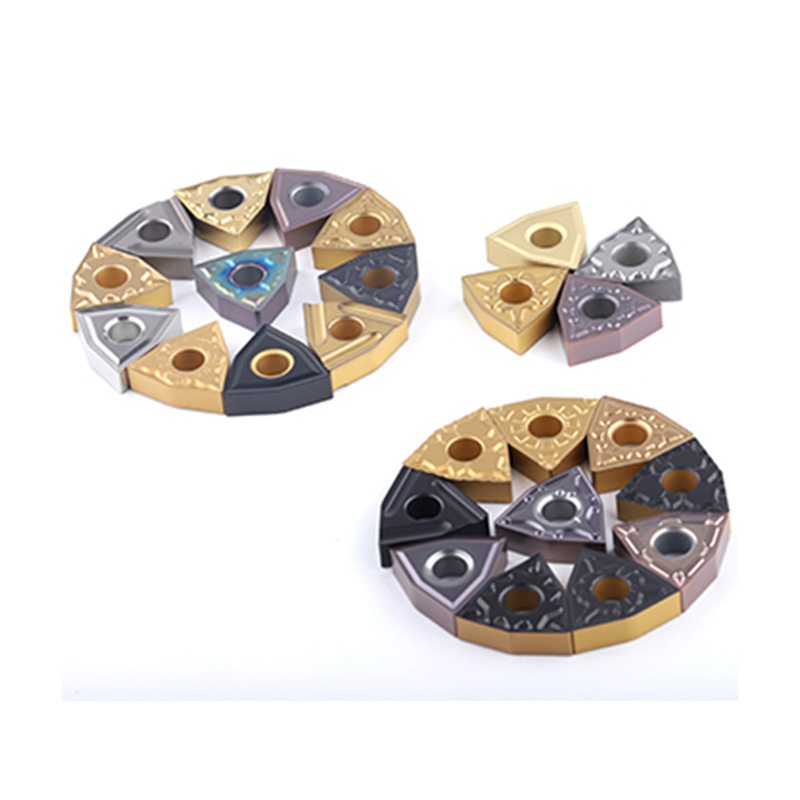
In the world of machining, creating perfect threads is a task that demands high precision and reliability. Threading inserts are specialized tools that play a crucial role in achieving these standards. Designed for both external and internal threading operations, threading inserts ensure that each thread is cut accurately and consistently, making them indispensable in various industries.
The Role of Threading Inserts in Machining
Threading inserts are small, replaceable tools used in lathe machines and other machining centers to cut threads into a workpiece. These inserts are designed to produce threads that meet specific standards, such as metric or Unified Thread Standard (UTS) threads, with high precision.
Versatility in Threading Applications
Threading inserts are versatile and can be used for a wide range of threading applications, including:
- External Threading: Cutting threads on the outer surface of a cylindrical workpiece.
- Internal Threading: Creating threads inside a hole or bore.
- Multi-Start Threads: Producing threads with multiple starts to allow faster assembly.
This versatility makes threading inserts suitable for use in industries like automotive, aerospace, and manufacturing, where precise and reliable threading is essential.
Key Benefits of Using Threading Inserts
Threading inserts offer several advantages that enhance the quality and efficiency of threading operations.
Precision and Consistency
One of the primary benefits of threading inserts is their ability to produce threads with high precision and consistency. The geometry of the insert is designed to match the specific thread profile, ensuring that each thread is cut to the exact specifications. This precision is crucial for applications where threads need to meet tight tolerances and function correctly in assembly.
Ease of Use and Replacement
Threading inserts are easy to use and replace, making them ideal for high-production environments. When an insert becomes worn, it can be quickly swapped out for a new one without the need for complex adjustments. This ease of use minimizes downtime and keeps production running smoothly.
Choosing the Right Threading Inserts
Selecting the appropriate threading insert for your specific application is key to achieving the desired results.
Insert Material and Coating
Threading inserts are available in various materials, including carbide, High-Speed Steel (HSS), and ceramics. Carbide inserts are widely used for their hardness and wear resistance, while ceramic inserts are suitable for high-speed machining and tough materials. Coatings such as Titanium Nitride (TiN) or Aluminum Oxide (Al2O3) can further enhance the performance of the inserts by reducing friction and increasing their lifespan.
Thread Profile and Geometry
The thread profile and geometry of the insert are critical factors to consider. Different thread standards require specific profiles, such as V-threads, Acme threads, or trapezoidal threads. Ensuring that the insert’s geometry matches the required thread profile is essential for producing accurate and functional threads.
Maximizing the Performance of Threading Inserts
To achieve the best results with threading inserts, it’s important to follow best practices for their use and maintenance.
Optimizing Cutting Parameters
Using the correct cutting parameters, including speed, feed rate, and depth of cut, is crucial for maximizing the performance of threading inserts. Running the insert within the manufacturer’s recommended parameters helps to ensure smooth cutting, reduces tool wear, and produces high-quality threads.
Regular Inspection and Maintenance
Routine inspection of threading inserts for wear and damage is essential for maintaining thread quality. Worn inserts can produce inaccurate threads, leading to issues with fit and function. Regular maintenance, including cleaning and proper storage, will extend the life of the inserts and ensure consistent performance.
Conclusion: Precision and Reliability with Threading Inserts
Threading inserts are vital tools for achieving perfect threads with precision and reliability in modern machining operations. Their versatility, ease of use, and ability to produce consistent results make them indispensable for a wide range of applications. By selecting the right inserts and adhering to best practices, you can ensure that your threading operations are efficient, accurate, and reliable, leading to superior product quality and customer satisfaction.