

Introduction to High-Speed End Milling
In the fast-paced world of manufacturing, speed is everything. As industries push for higher productivity and shorter lead times, the demand for efficient, high-precision machining processes continues to rise. Enter high-speed end milling—a game-changing technique that’s reshaping how we approach production. But what exactly is high-speed end milling, and why has it become so crucial in modern manufacturing?
What is High-Speed End Milling?
High-speed end milling is a machining process that involves the use of high rotational speeds and feed rates to remove material from a workpiece. Unlike traditional milling, which relies on lower speeds and heavier cuts, high-speed milling uses lighter, fast
The Evolution of Milling Techniques
Milling has come a long way since its inception. Traditional milling, once the cornerstone of metalworking, has evolved significantly due to technological advancements. The introduction of CNC machines allowed for greater precision and control, laying the groundwork for high-speed milling. Over the past few decades, as materials science and machining technology have advanced, high-speed milling has moved from a niche capability to a mainstream manufacturing process.
Why High-Speed End Milling Matters
So, why is high-speed end milling such a big deal? The benefits are manifold. First and foremost, it significantly reduces production times. Faster milling translates directly into higher output, which is a major advantage in industries where time is money. Additionally, the precision offered by high-speed end milling means that components can be manufactured with tighter tolerances and better surface finishes, reducing the need for secondary processing. Lastly, by minimizing tool wear and tear, high-speed milling can lower overall manufacturing costs.
Tools and Equipment Used
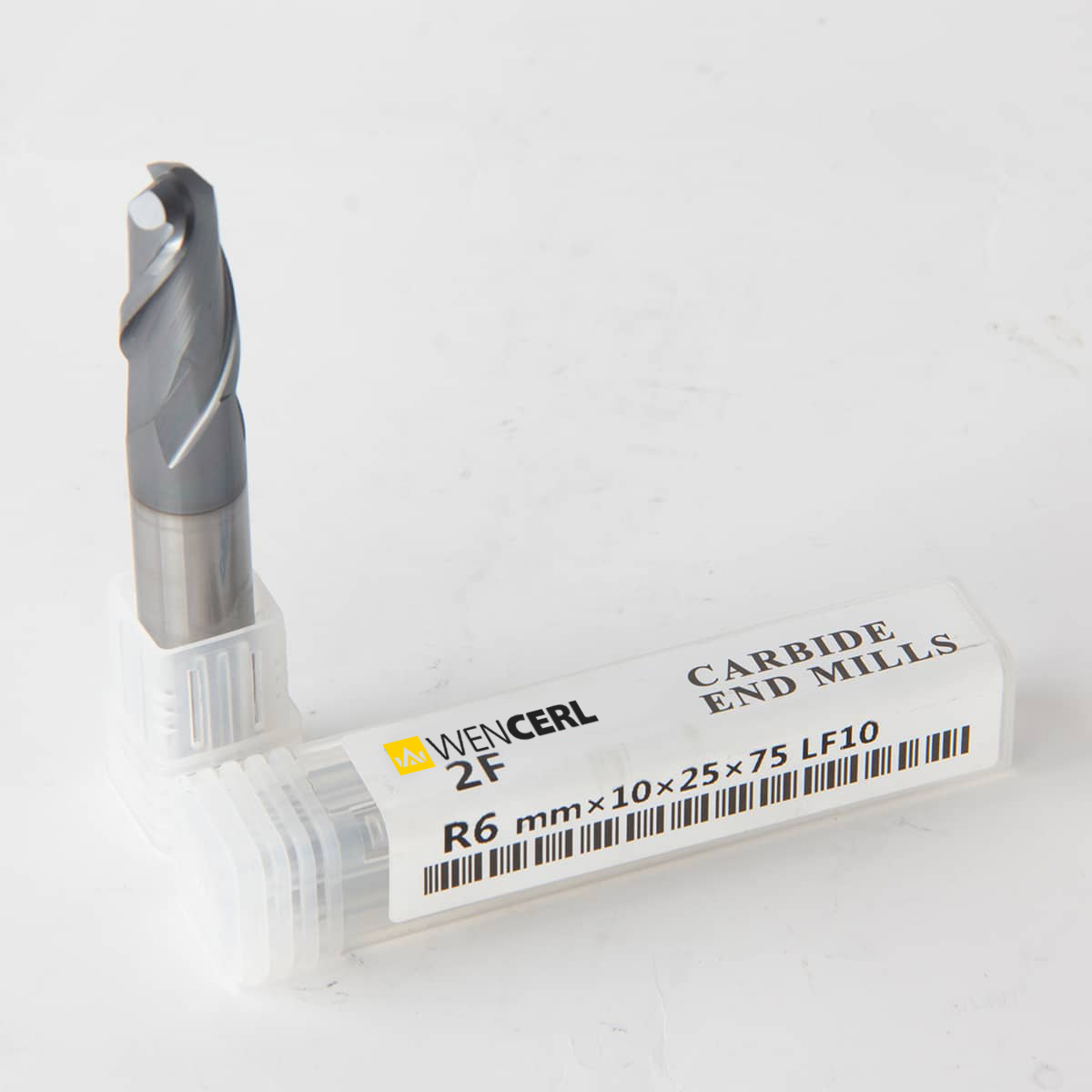
To get the most out of high-speed end milling, having the right tools and equipment is essential. The primary tools used in this process are end mills, which come in various shapes and sizes to suit different tasks. Carbide end mills are particularly popular due to their hardness and heat resistance, making them ideal for high-speed applications. CNC machines play a pivotal role in high-speed milling, providing the precision and control needed to execute complex toolpaths at high speeds.
Materials Suitable for High-Speed End Milling
While high-speed end milling can be used on a wide range of materials, some are better suited to this process than others. Aluminum, for instance, is ideal for high-speed milling due to its relatively low hardness and excellent machinability. However, harder materials like stainless steel or titanium pose challenges, such as increased tool wear and the risk of tool breakage. To mitigate these issues, manufacturers often use specialized coatings on their end mills, such as TiAlN (Titanium Aluminum Nitride), which enhances heat resistance and reduces friction.
Optimizing Cutting Parameters
To unlock the full potential of high-speed end milling, optimizing cutting parameters like spindle speed and feed rate is crucial. These parameters must be adjusted based on the material being machined, the tool being used, and the desired outcome. For instance, when milling aluminum, higher spindle speeds and feed rates can be employed, whereas tougher materials may require a more conservative approach to prevent tool failure.
Toolpath Strategies
The efficiency of high-speed end milling isn’t just about how fast the tool spins; it’s also about how it moves. Toolpath strategy plays a key role in maximizing productivity and minimizing waste. Advanced strategies like trochoidal milling, which uses circular toolpaths to reduce the radial engagement of the cutter, help minimize tool wear and improve chip evacuation. Additionally, optimizing the toolpath can prevent common issues like tool deflection and uneven cutting forces, leading to better results and longer tool life.
Coolant and Lubrication in High-Speed Milling
Coolant isn’t just an afterthought in high-speed milling—it’s a critical component of the process. At high speeds, friction between the tool and the workpiece generates significant heat, which can affect both tool life and workpiece quality. Using the right coolant can help dissipate this heat, reduce wear, and improve surface finish. The choice of coolant depends on factors like the material being machined and the specific requirements of the operation. In some cases, Minimal Quantity Lubrication (MQL) is preferred, as it provides just enough lubrication to reduce friction without flooding the work area.
Vibration Control
Vibration is the enemy of high-speed milling. Even the slightest vibration can lead to poor surface finish, reduced accuracy, and increased tool wear. Identifying the causes of vibration—such as tool imbalance, machine rigidity, or improper toolpath design—is the first step in mitigating its effects. Once identified, solutions like adjusting cutting parameters, using vibration-dampening tool holders, or refining the toolpath can be employed to minimize vibrations and ensure smooth, stable milling operations.
Advantages of High-Speed End Milling
The advantages of high-speed end milling are substantial. First and foremost is the dramatic reduction in production time. What once took hours can now be completed in a fraction of that time, allowing manufacturers to meet tight deadlines and boost overall productivity. Another significant advantage is the improved surface finish. High-speed milling produces smoother surfaces, reducing the need for additional finishing operations. Additionally, because high-speed milling often involves lighter cuts, there’s less strain on the tool, leading to longer tool life and lower tool replacement costs.
Challenges and Limitations
Of course, high-speed end milling isn’t without its challenges. One of the biggest issues is tool wear, particularly when working with harder materials. High speeds generate more heat, which can quickly degrade tools if not managed properly. Additionally, the initial investment in high-speed milling equipment can be substantial, making it a significant consideration for smaller operations. Despite these challenges, the benefits of high-speed end milling often outweigh the drawbacks, especially when proper techniques and tools are used.
Industries Benefiting from High-Speed Milling
High-speed end milling has found its place in a variety of industries, particularly those where precision and speed are paramount. The aerospace industry, for instance, relies heavily on high-speed milling for the production of complex, lightweight components. Similarly, the automotive industry uses high-speed milling to manufacture engine parts and other critical components. Even the medical device industry benefits from the precision and speed of high-speed milling, which is essential for producing intricate parts with tight tolerances.