

Introduction
When it comes to machining hard, abrasive materials, conventional cutting tools can wear down quickly, leading to inefficiency and increased costs. For these demanding jobs, diamond coated end mills offer a solution that combines extreme durability with superior performance. Known for their incredible hardness and wear resistance, diamond coated end mills are the go-to tools for some of the toughest machining challenges. In this article, we’ll explore why diamond coated end mills are an excellent choice for your most challenging applications.
What Are Diamond Coated End Mills?
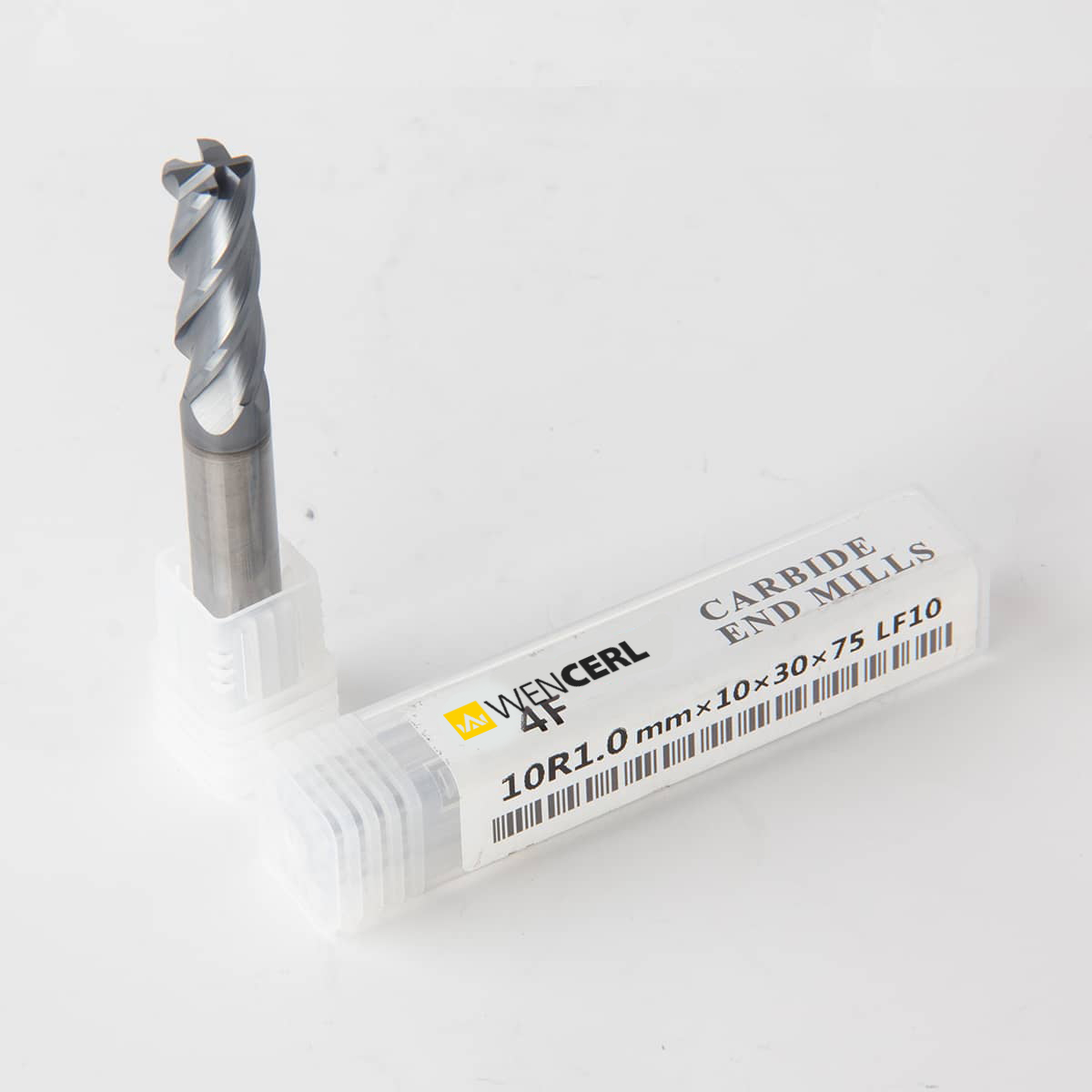
Diamond coated end mills are cutting tools that have been coated with a layer of diamond particles. This coating, usually applied through a process known as Chemical Vapor Deposition (CVD), enhances the tool’s hardness and wear resistance. Diamond is one of the hardest known materials, and when used as a coating, it significantly improves the performance of end mills in high-stress machining environments.
Key Characteristics of Diamond Coated End Mills:
- Extreme Hardness: Diamond’s hardness makes it highly resistant to wear, even when cutting through abrasive materials.
- Excellent Heat Resistance: Diamond coated end mills maintain their cutting edge at high temperatures, making them ideal for high-speed applications.
- Low Coefficient of Friction: The smooth surface of the diamond coating reduces friction, improving chip evacuation and reducing heat buildup.
Benefits of Using Diamond Coated End Mills
Diamond coated end mills offer several significant advantages, especially when working with hard and abrasive materials:
- Unmatched Durability
- The primary advantage of diamond coated end mills is their unparalleled durability. The diamond coating drastically reduces wear, allowing these tools to last significantly longer than uncoated or even other coated end mills. This longevity translates into fewer tool changes, reduced downtime, and lower overall tooling costs.
- Superior Performance in Abrasive Materials
- Diamond coated end mills excel in machining abrasive materials such as graphite, carbon fiber, fiberglass, ceramics, and composites. These materials would quickly wear down conventional tools, but diamond’s hardness provides a robust defense against abrasive wear.
- High-Quality Surface Finish
- The smooth, sharp cutting edge of diamond coated end mills produces a superior surface finish, which is particularly important in applications requiring tight tolerances and minimal post-machining work. The low friction of the diamond coating also helps achieve cleaner cuts with less material distortion.
- Increased Cutting Speeds and Feeds
- The heat resistance of diamond coated end mills allows for higher cutting speeds and feeds without compromising tool life. This capability enables faster production times and greater overall efficiency in demanding applications.
- Reduced Tool Deflection
- The rigidity and sharpness of diamond coated end mills reduce tool deflection, which is especially important when machining thin or delicate parts. This leads to more accurate cuts and better dimensional stability.
Applications of Diamond Coated End Mills
Diamond coated end mills are used in a variety of challenging applications across multiple industries:
- Machining of Non-Ferrous Metals and Alloys: Ideal for cutting aluminum, copper, and other non-ferrous metals that are prone to sticking and galling.
- Composite Materials: Perfect for aerospace, automotive, and sports equipment industries where composite materials are commonly used.
- Graphite and Carbon Fiber Machining: Essential for applications in mold making, electronics, and other industries where graphite and carbon fiber are prevalent.
- Ceramic and Glass Machining: Suitable for cutting brittle materials like ceramics and glass, where precision and minimal chipping are required.
Maximizing the Benefits of Diamond Coated End Mills
To fully take advantage of the capabilities of diamond coated end mills, it’s important to follow best practices in their use:
- Proper Tool Selection
- Choose the right diamond coated end mill based on the material you’re machining, the type of cut required, and the desired surface finish. Consider the tool geometry, number of flutes, and coating thickness.
- Optimize Cutting Parameters
- Diamond coated end mills perform best at high speeds with moderate feeds. Adjust your cutting parameters to match the capabilities of the tool, taking into account the hardness and abrasiveness of the material.
- Avoid Ferrous Materials
- Diamond coated tools should not be used on ferrous materials (iron, steel, etc.) because these can cause chemical reactions that degrade the diamond coating.
- Use Proper Toolholding
- Ensure that your toolholding system provides maximum rigidity and minimal runout. Precision is key to maintaining the sharpness and effectiveness of the diamond coating.
Conclusion
Diamond coated end mills are the ultimate choice for your toughest machining jobs. Their unmatched hardness, wear resistance, and ability to produce high-quality finishes make them indispensable when working with abrasive materials. While they may represent a higher initial investment, the long-term savings in tool longevity, reduced downtime, and improved efficiency make them well worth it. If your work involves challenging materials and requires high precision, diamond coated end mills are the tools that can meet—and exceed—your expectations.