

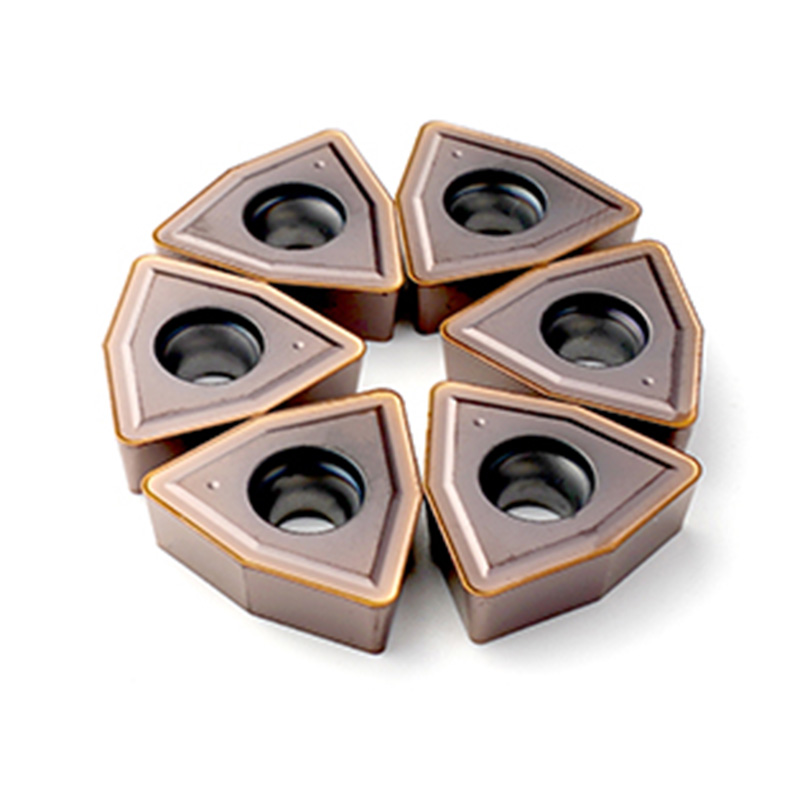
In today’s manufacturing landscape, environmental sustainability is becoming increasingly important. As industries worldwide strive to reduce their environmental footprint, the CNC (Computer Numerical Control) machining sector is no exception. Known for its precision and efficiency, CNC machining is now also making strides in minimizing its impact on the environment. This article explores the ways in which CNC machining is contributing to a more sustainable future.
Energy Efficiency in CNC Machining
One of the key aspects of sustainability in CNC machining is energy efficiency. Modern CNC machines are designed to consume less power while maintaining high levels of productivity. This is achieved through advanced motor technology, intelligent power management systems, and optimized software that reduces idle time and unnecessary energy consumption. By utilizing energy more efficiently, CNC machining reduces its carbon footprint, contributing to a more sustainable manufacturing process.
Waste Reduction and Material Optimization
CNC machining is inherently precise, which plays a significant role in minimizing waste. The use of CAD/CAM (Computer-Aided Design/Computer-Aided Manufacturing) software allows for exact material calculations and optimized cutting paths, resulting in minimal leftover material. Additionally, CNC machining’s ability to produce components with high accuracy means fewer defects, reducing the need for rework and scrap. By minimizing material waste, CNC machining not only conserves resources but also reduces the environmental impact associated with material extraction and processing.
Sustainable Material Choices
Another critical factor in the sustainability of CNC machining is the choice of materials. Many CNC machining operations are beginning to prioritize environmentally friendly materials, such as recycled metals and bioplastics. These materials reduce the need for virgin resources and help in lowering the environmental impact of manufacturing. Moreover, CNC machining processes are increasingly being adapted to work efficiently with these sustainable materials, ensuring that quality and performance are not compromised.
Recycling and Reuse of Scrap Material
The CNC machining industry is also focusing on recycling and reusing scrap materials. The precision of CNC machines ensures that scrap generated is minimal, but when it does occur, it can often be recycled and reused in the production of new components. Metal shavings and offcuts can be collected and reprocessed, reducing the need for new raw materials. This closed-loop approach not only conserves resources but also reduces the amount of waste sent to landfills.
Reducing Emissions Through Advanced Manufacturing Techniques
CNC machining has the potential to reduce emissions through advanced manufacturing techniques. For example, dry machining techniques, which eliminate the need for coolant, significantly reduce the environmental hazards associated with the disposal of chemical coolants. Additionally, CNC machines can be programmed to optimize tool paths and cutting speeds, reducing the overall time required for machining and, consequently, the emissions associated with energy use.
Automation and Reduced Resource Consumption
Automation in CNC machining also contributes to sustainability by reducing resource consumption. Automated processes allow for precise control over material usage, energy consumption, and waste production. This not only improves efficiency but also reduces the environmental impact of manufacturing operations. Additionally, automation minimizes human error, leading to fewer defective parts and less material waste.
The Role of Industry Standards and Certifications
As sustainability becomes a focal point in manufacturing, industry standards and certifications are playing a crucial role. Many CNC machining companies are seeking certifications such as ISO 14001, which sets criteria for environmental management systems. Achieving these certifications demonstrates a commitment to sustainability and encourages continuous improvement in environmental performance.
The Future of Sustainable CNC Machining
The future of CNC machining lies in the continued development of sustainable practices. As technology advances, CNC machines will likely become even more energy-efficient, produce less waste, and utilize more sustainable materials. Additionally, innovations such as additive manufacturing (3D printing) combined with CNC machining could further enhance sustainability by reducing material waste and enabling more efficient use of resources.
Conclusion
CNC machining is not only revolutionizing manufacturing through precision and efficiency but is also playing a vital role in advancing environmental sustainability. By embracing energy-efficient technologies, reducing waste, and choosing sustainable materials, the CNC machining industry is helping to create a more sustainable future for manufacturing. As the industry continues to innovate, its commitment to sustainability will be crucial in shaping the future of manufacturing.