

Complete Application of Carbide Inserts
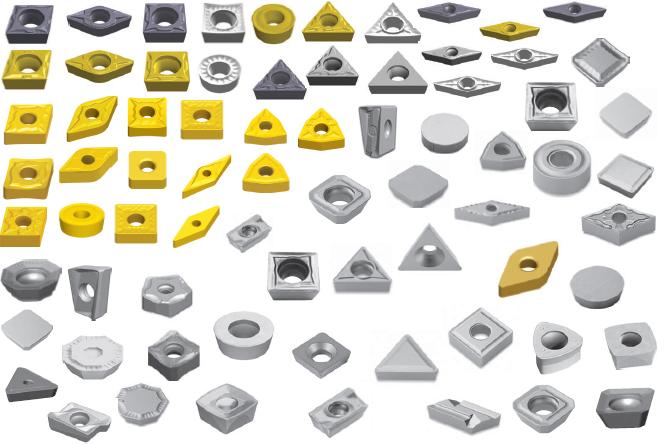
Carbide inserts are an essential component of modern machining operations, helping to achieve precision, efficiency, and cost-effectiveness. This in-depth guide attempts to investigate the various applications of carbide inserts, including milling, turning, and aluminum machining. Manufacturers may optimize their machining operations and increase productivity by understanding the various insert types and their optimum uses.
12 Tips to Grow Your CNC Machining Business
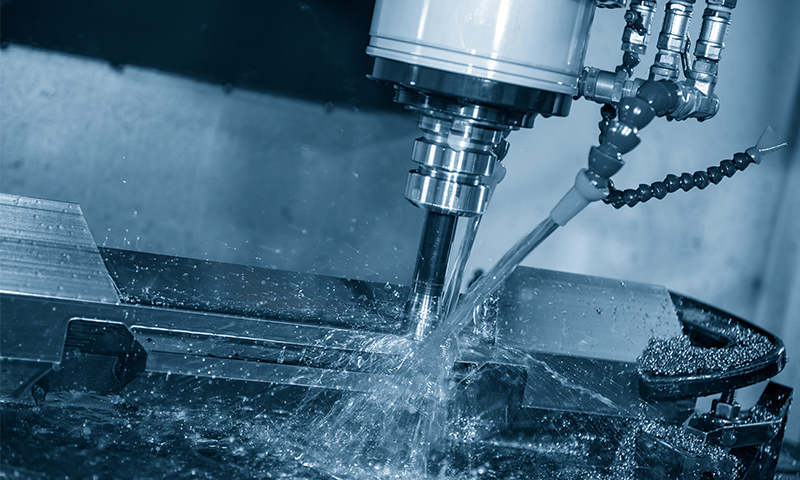
Running a successful CNC machining business requires strategic planning, continuous improvement, and a focus on delivering exceptional products and services. As the manufacturing industry evolves, growing your CNC machining business becomes essential to stay competitive and meet customer demands.
How to Choose The Right Carbide Turning Insert
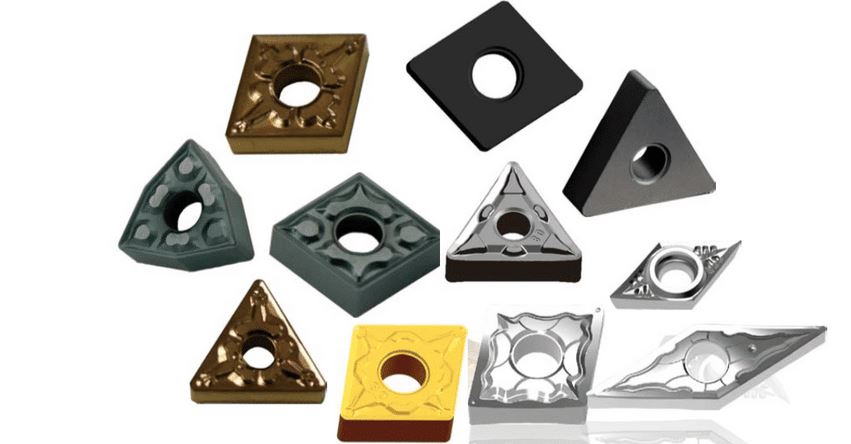
This article will bring you through the key things to consider whether you are a seasoned machinist looking to increase efficiency or a newcomer discovering the world of cutting tools. We will delve into the complexities that affect the performance and longevity of your cutting tools, such as material compatibility and insert shape, as well as coating options and carbide grades.
Cutting and Machining Quenched Steel: What Tool Selection Is Appropriate?
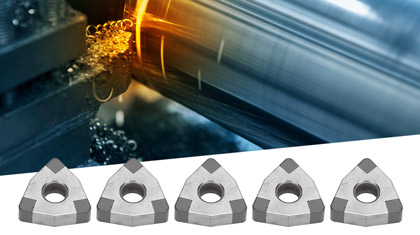
The importance of tools in mechanical machining is self-evident. In the industrial sector, the performance requirements for mechanical parts are constantly increasing. To enhance the wear resistance and extend the lifespan of mechanical parts, quenching treatment is often applied to many structural steel components. However, quenched parts possess high strength and hardness but poor plasticity, posing challenges for cutting operations. So, what kind of tools are suitable for cutting and machining quenched steel? What are the advantages of CBN turning inserts in machining?
An In-Depth Guide On Carbide Inserts for Aluminum
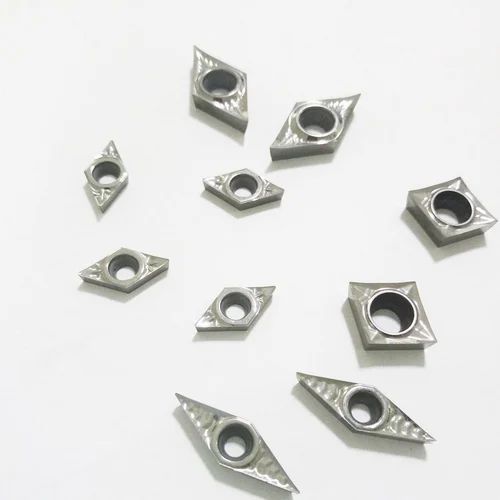
Modern machining procedures rely heavily on carbide inserts because they offer efficiency, precision, and cost-effectiveness. These inserts are even more essential when it comes to machining aluminum because of the special characteristics and difficulties linked to the material. With a focus on topics including insert types, selection criteria, best practices, and safety considerations, this comprehensive book attempts to shed light on the importance of carbide inserts in aluminum machining.
How to Make Carbide Inserts: A Comprehensive Guide
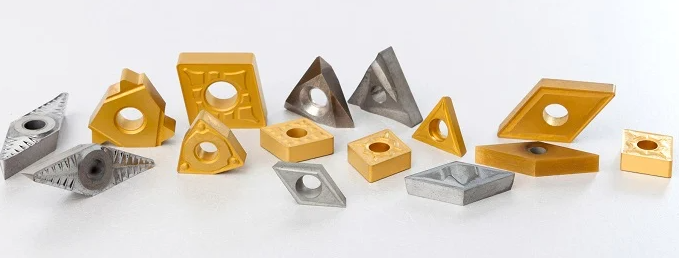
Carbide inserts are essential in modern production because they enable efficient and precise machining processes. Small cutting tools like these are commonly utilized in industries like aerospace, automotive, and metallurgy. They are indispensable for cutting through strong materials such as steel, stainless steel, and cast iron due to their high hardness, wear durability, and heat resistance. In this detailed guide, we will look at the entire process of creating carbide inserts, from raw materials to the finished product.
Metal Ceramic Cutters VS Ceramic Cutters: Performance and Applications Compared
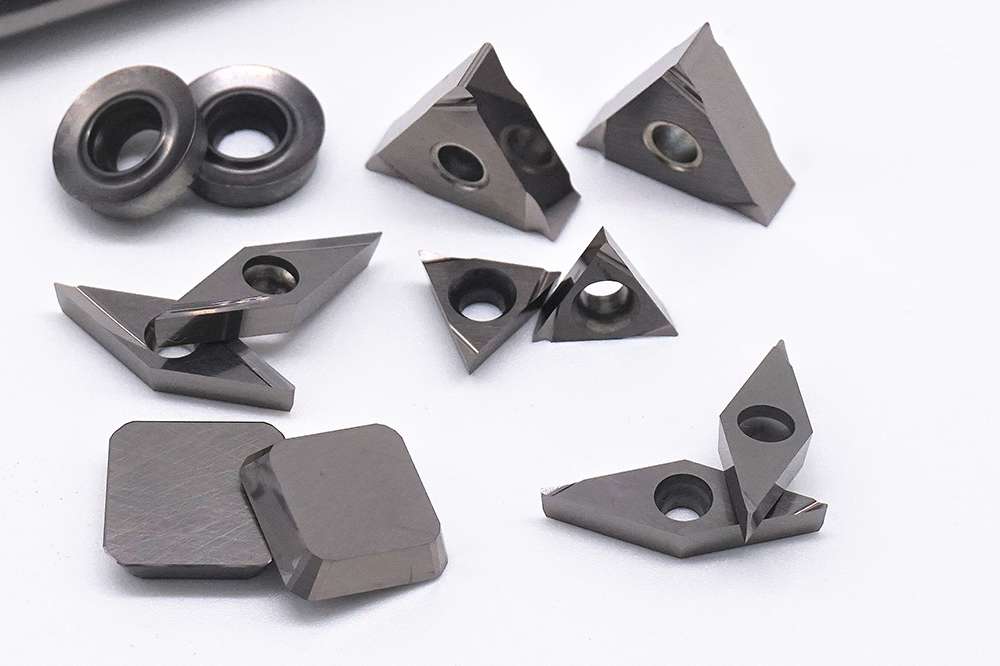
Discover the Key Differences: Metal ceramic vs. ceramic cutters. Explore performance variations and applications. What suits your needs? Read more.
In recent years, the ceramic cutter industry has seen rapid development, with modern ceramic cutting materials being predominantly composite materials. Currently, ceramic materials used in cutting tools mainly include alumina-based, silicon nitride-based, titanium boride-based, and metal ceramic series.
Types of Milling Cutters and Their Uses – Choosing the Right Milling Cutter
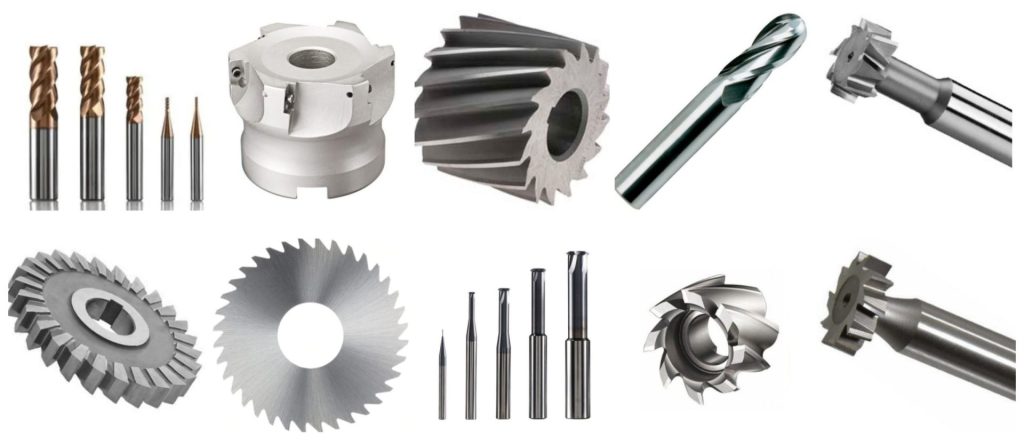
Milling is a versatile machining method in which material is removed from a workpiece using rotary cutters. These milling cutters are used to shape and create numerous components in industries such as manufacturing, automotive, aerospace, and others. Milling cutters are classified into various varieties, each suited for a specific use or material. In this article, we will look at some of the most common milling cutters, as well as their applications and accompanying images.
What Are Metal Ceramic Inserts and Carbide Insert?
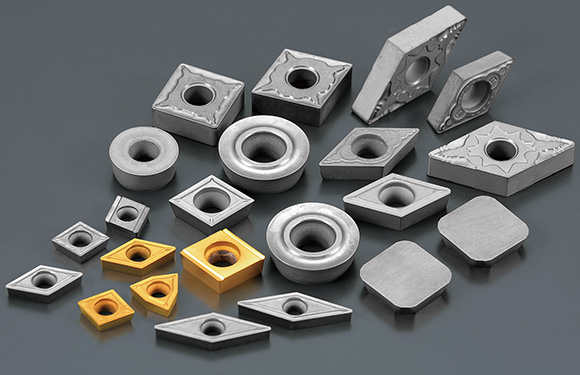
Metal ceramic inserts are excellent tools for turning mirror surfaces. Now, let’s discuss what metal ceramic hard alloy materials are.
Literally understood, it’s a combination of metal and ceramic materials. According to the American ASTM committee’s definition, it’s a heterogeneous composite material composed of metal or alloy and one or more ceramic phases, where the latter occupies about 15% to 85% by volume.
Metal carbide powders (such as WC, TiC, etc.) and binders (Co, Ni, etc.) are mixed and pressed into shape, then sintered.
CNC Hard Turning Applications
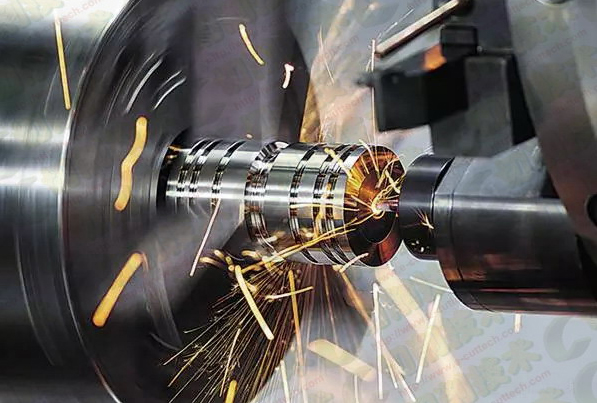
CNC hard turning is a specialized machining process that has revolutionized the manufacturing industry, allowing for precision machining of hardened materials with superior surface finishes and dimensional accuracy. From automotive to aerospace and beyond, CNC hard turning has become an indispensable technique for creating high-quality components that withstand rigorous conditions and offer unmatched performance.