

Precision, efficiency, and durability are critical in the manufacturing industry. One key piece of equipment that plays a vital role in achieving these goals is the Chuck. Whether you’re operating a CNC machine, lathe, or milling machine, selecting the right Chuck is crucial for ensuring smooth, high-quality operations. In this blog, we’ll explore the top five considerations you should keep in mind when purchasing a Chuck for your manufacturing operations.

Compatibility with Machinery
The first and most essential consideration when purchasing a Chuck is its compatibility with your existing machinery. If the Chuck doesn’t fit or work seamlessly with your CNC machines, lathes, or milling machines, it can lead to issues such as poor performance or increased wear and tear.
- Machine Type Compatibility: It’s crucial to verify that the Chuck is compatible with the type of machine you operate. For instance, CNC machines may require specific Chuck designs to ensure secure and precise clamping.
- Mounting Standards: Chucks come in various mounting styles, such as DIN, JIS, A2, and A3. Ensure that Chuck’s mounting style matches the specifications of your machine to prevent installation issues and ensure proper functionality.
- Spindle Size and Clamping Mechanism: Chucks are designed to fit particular spindle sizes. The clamping mechanism also plays a significant role in securing the workpiece efficiently. Verify that the Chuck is designed for the size and type of spindle used in your machinery.
Ensuring compatibility with your machinery is the foundation for smooth operations and the longevity of both the Chuck and the machine.
Material and Durability
The durability of a Chuck is directly linked to its material composition and overall quality. Since Chucks are subjected to significant stress during operations, selecting one made from strong, long-lasting materials is essential for preventing wear and tear and ensuring consistent performance.
- Material Strength: High-quality materials, such as alloy steel or hardened steel, offer superior strength and longevity. A durable Chuck will withstand constant use, reducing the need for frequent replacements.
- Corrosion Resistance: In many industrial environments, exposure to harsh conditions such as moisture or chemicals is unavoidable. Choosing a Chuck with corrosion-resistant coatings or materials will help protect it against rust and extend its service life.
- Longevity and Maintenance: Chucks that require minimal maintenance and have long-lasting components can save your business time and money in the long run. Look for Chucks that are easy to maintain, with parts that can be replaced without too much hassle.
Investing in durable materials will ultimately reduce downtime and improve your overall productivity.
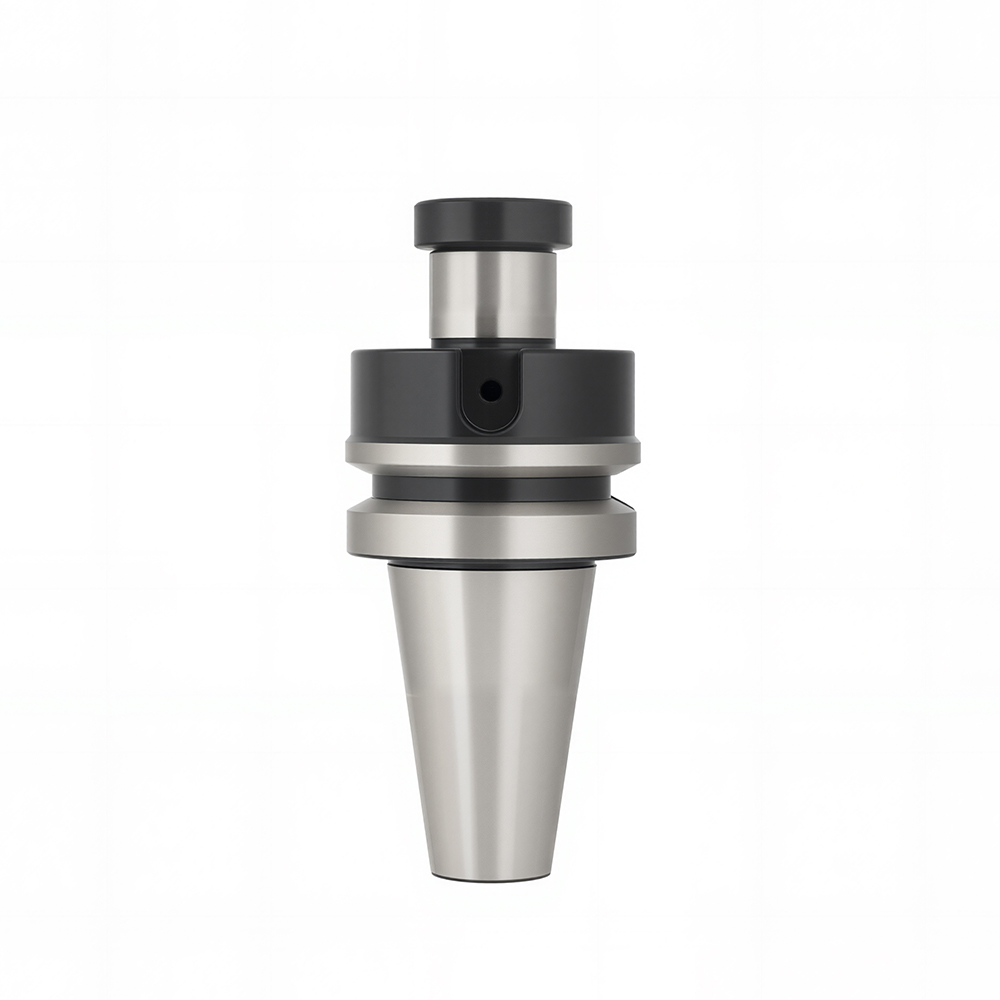
Precision and Accuracy
Precision is a top priority in manufacturing, and the Chuck plays a critical role in ensuring that the workpiece remains securely in place during the machining process. A high-precision Chuck will allow for accurate machining, leading to better-quality products.
- Runout Tolerance: One of the most significant factors influencing the accuracy of machining is runout tolerance. A Chuck with low runout ensures minimal deviation, resulting in smoother finishes and tighter tolerances.
- Clamping Force and Stability: A Chuck must provide a consistent and stable clamping force to hold the workpiece securely throughout the operation. Insufficient clamping force can lead to tool vibration, affecting precision.
- Repeatability: High repeatability is essential for consistent results, especially in high-volume manufacturing. A Chuck that delivers repeatable clamping helps ensure uniformity across all pieces in a production run.
Selecting a Chuck with high precision and accuracy guarantees superior machining outcomes and reduces the risk of errors in production.
Type of Chuck and Application Needs
There are several types of Chucks available, each designed for specific applications and machinery types. Understanding the requirements of your operation will help you select the right Chuck for your needs.
Common Chuck types include hydraulic Chucks, power Chucks, manual Chucks, and collet Chucks. Each type serves different purposes:
- Hydraulic Chucks are ideal for high precision, providing stable clamping forces and minimizing runout.
- Power Chucks are designed for high-torque applications and are often used in heavy-duty machining operations.
- Manual Chucks are cost-effective and suited for smaller operations or less complex tasks.
- Collet Chucks are perfect for gripping smaller workpieces with high accuracy.
Depending on the type of machining you do—whether it’s turning, milling, or drilling—you may need a Chuck optimized for those specific operations. Understanding your application will help ensure that you select a Chuck that meets your demands.
Choosing the right Chuck type for your application will directly affect your operational efficiency and machining precision.
Cost-effectiveness and Value for Money
While cost is always a consideration in purchasing decisions, it’s essential to balance the upfront price of the Chuck with its long-term value. A Chuck is an investment, and selecting one that offers a combination of durability, performance, and ease of maintenance will pay off in the long run.
- Initial Purchase Price vs. Long-Term Cost: While cheaper Chucks may seem appealing at first, they may have a shorter lifespan and higher maintenance costs, leading to higher overall expenses. Consider the total cost of ownership, including repair and replacement costs, when evaluating price.
- Replacement and Repair Costs: Ensure that the Chuck you select has easily replaceable components, and check the availability of spare parts. This will save you money in the event of damage or wear.
- Energy Efficiency: Some Chucks are designed to be more energy-efficient, helping reduce operational costs over time. Look for models that offer energy-saving features to improve cost-effectiveness.
A Chuck that offers the best value for your money will deliver strong performance, low maintenance, and long-term savings.
Conclusion
Choosing the right Chuck for your manufacturing operations is not a decision to be taken lightly. By carefully considering factors like compatibility, material durability, precision, Chuck type, and cost-effectiveness, you can ensure that your investment pays off in the form of increased efficiency, improved precision, and reduced operational costs. Always take the time to assess your specific needs and consult with experts or suppliers to find the perfect Chuck for your operations.
Contact us: [email protected]