

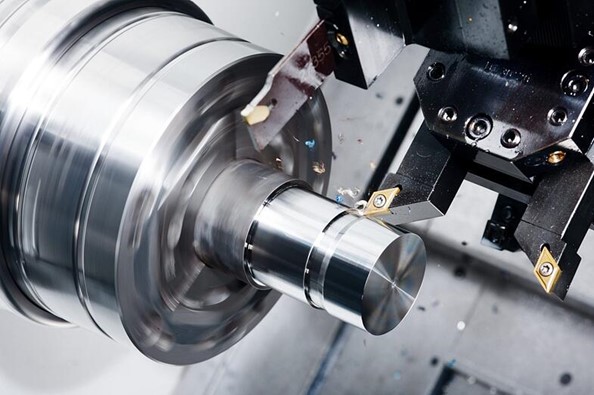
Precision and efficiency are essential for staying competitive in industrial manufacturing. One of the key tools to achieve both is the boring cutter. A well-chosen boring cutter can make a significant difference in the quality of your workpiece, reduce machining time, and lower overall costs. However, selecting the right boring cutter for your specific industrial needs can be a complex task. In this blog, we’ll guide you through the critical factors to consider when choosing the ideal boring cutter for your manufacturing processes.
Why Choosing the Right Boring Cutter Matters
A boring cutter is a cutting tool used to enlarge or finish a hole with high precision. While the tool may seem simple, the right choice can enhance machining efficiency, reduce downtime, and extend tool life. Choosing the wrong one, however, could lead to inaccuracies, poor surface finishes, or even equipment damage. It’s important to understand the various types of boring cutters and how to select the best one based on material, application, and machining requirements.
Different Types of Boring Cutters
There are several types of boring cutters designed for different applications. Here’s a breakdown of the most common options:
Carbide Boring Cutters
Carbide boring cutters are known for their durability and resistance to wear. They are suitable for high-speed machining and can handle a variety of materials, including tough steels and alloys. Their hardness makes them ideal for applications requiring high precision and consistent performance.

High-Speed Steel (HSS) Boring Cutters
HSS boring cutters are versatile and cost-effective. While they are not as durable as carbide cutters, they are still an excellent choice for lighter machining tasks. HSS tools are ideal for softer materials and lower cutting speeds, and they can be easily sharpened to maintain performance.
Coated Boring Cutters
Coated boring cutters have a layer of material, such as TiN (Titanium Nitride), TiAlN (Titanium Aluminum Nitride), or AlTiN (Aluminum Titanium Nitride), applied to their surface. These coatings improve hardness, reduce friction, and increase wear resistance, making coated cutters a great option for heavy-duty machining tasks and for enhancing tool longevity.
Cermet and Other Materials
Cermet boring cutters combine ceramic and metal materials, offering excellent resistance to high temperatures and wear. These cutters are best suited for high-speed, high-precision operations. They are particularly effective when working with materials that generate heat during machining, such as stainless steels and heat-resistant alloys.
Key Factors to Consider When Choosing a Boring Cutter
Material Type
The material you’re working with plays a significant role in determining which boring cutter to use. For example, harder materials like stainless steel require tougher, more durable cutters, such as carbide or coated tools. Softer materials like aluminum or brass, on the other hand, can often be machined with HSS tools.
Cutting Depth and Diameter
Choosing the correct cutting depth and diameter for your boring cutter is crucial. A cutter that is too large or too small for the job can affect precision and tool life. You should always match the cutter size to your project specifications, ensuring optimal performance.
Cutting Speed
Cutting speed is another critical factor. Some boring cutters, like carbide, are designed for high-speed operations, while others, like HSS, are better suited for slower speeds. Matching the cutter with the appropriate cutting speed helps maintain tool longevity and ensures efficient material removal.
Tool Life
When selecting a boring cutter, consider the longevity of the tool. High-quality materials and coatings, such as carbide and TiN coatings, can extend the life of the tool and reduce the frequency of tool changes, ultimately saving you money in the long run.
Precision and Tolerances
If your project requires high precision and tight tolerances, selecting the right boring cutter becomes even more crucial. Carbide and cermet tools are ideal for achieving high accuracy and maintaining tight tolerances, ensuring a smooth finish and consistent results.

Application-Specific Considerations
Heavy Duty vs. Precision Machining
Different applications require different tools. For heavy-duty machining, such as large-volume drilling or roughing operations, a robust carbide or coated cutter is typically recommended. For precision machining, where tight tolerances and fine finishes are required, high-precision tools like carbide or cermet cutters are ideal.
Materials & Parts Being Processed
The type of material being processed will dictate your cutter choice. For example:
- Aluminum: HSS or carbide cutters work well for this soft metal.
- Steel and Stainless Steel: Carbide or coated cutters are best for these tougher materials.
- Alloys: Cermet cutters are excellent for handling high-strength alloys.
How to Optimize Performance with the Right Boring Cutter
Tool Coating and Maintenance
Choosing the right tool coating is crucial for performance. Coated cutters reduce friction, enhance durability, and improve heat resistance. Regular tool maintenance, including cleaning and proper storage, can also significantly extend the life of your boring cutter and ensure consistent cutting performance.
Coolant and Lubrication
Using the correct coolant or lubricant during machining is essential. Coolants help to dissipate heat, reduce tool wear, and improve surface finishes. Make sure to choose the right coolant for your boring cutter material and machining conditions.
Cost Considerations and ROI
While carbide and coated boring cutters may have a higher upfront cost, their durability and performance often make them a better investment in the long run. These tools can operate at higher speeds, last longer, and provide better results, all of which can lead to a higher return on investment (ROI) over time. If your operations demand high precision or work with tough materials, spending more on a high-quality cutter may be the best choice.
Conclusion
Choosing the right boring cutter is vital for optimizing machining performance. By considering factors like material, cutting speed, tool life, and precision requirements, you can select a tool that fits your needs perfectly. Remember, the right tool can significantly improve your operational efficiency, reduce downtime, and ensure better quality products.
Contact us: [email protected]