

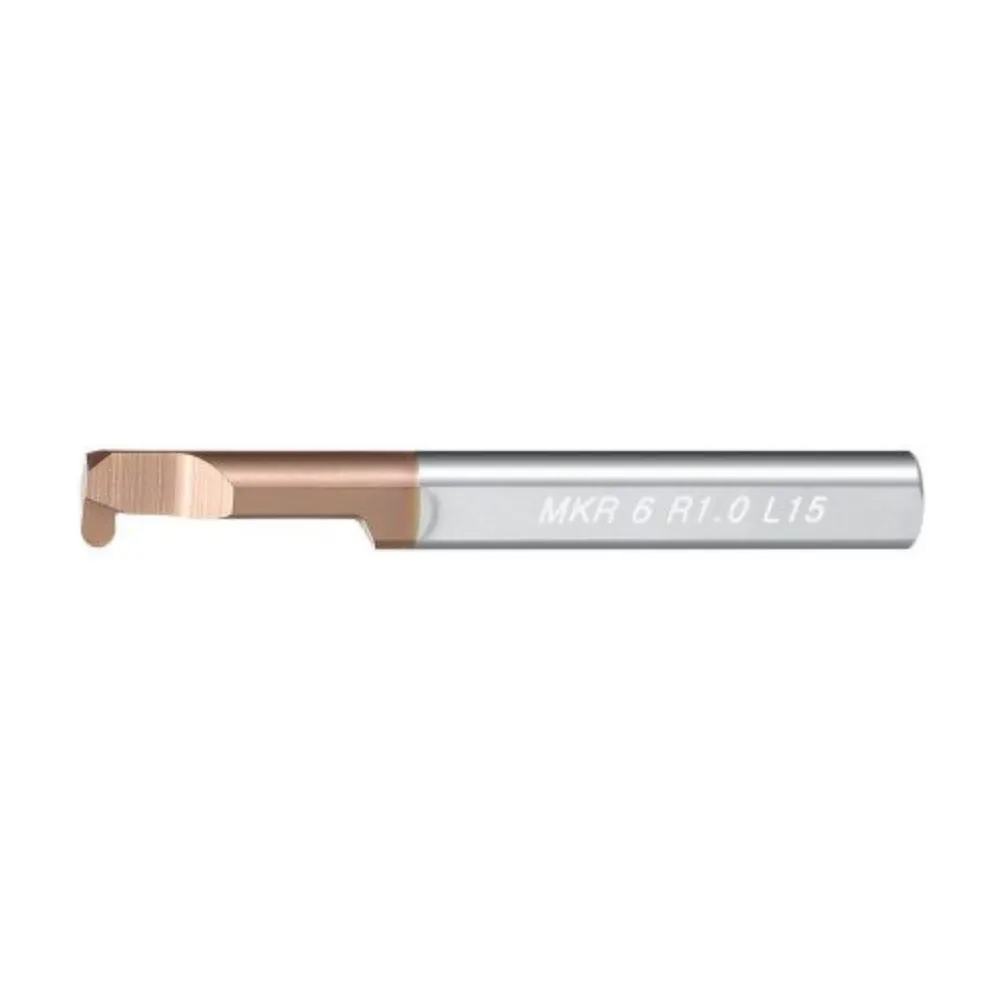
When it comes to precision machining, the choice of tooling material is crucial for achieving high-quality results. Boring cutters, a fundamental tool in CNC machining, play a key role in refining hole dimensions and surface finishes. However, not all boring cutters are made from the same material. The right choice of material can significantly impact the performance, tool life, and efficiency of your manufacturing processes.
In this blog, we’ll take a closer look at the different materials used for boring cutters, highlighting their unique properties, advantages, and ideal applications. Let’s explore how material choice can enhance your manufacturing processes and improve productivity.
1. Overview of Common Materials Used for Boring Cutters
Boring cutters are typically made from a variety of materials, each suited to different types of machining tasks. The most common materials include:
- High-Speed Steel (HSS)
- Carbide
- Coated Materials (e.g., TiN, TiAlN)
- Ceramic
- Cermet
Each material has its own strengths and weaknesses, which are important to consider when selecting the right boring cutter for your operation.

2. High-Speed Steel (HSS) Boring Cutters
High-speed steel is one of the most common materials used for boring cutters. It is known for its resistance to wear and heat, making it a versatile choice for various cutting applications.
Advantages:
- Economical and easily available
- Good for low to medium-speed cutting operations
- Ideal for softer metals like mild steel, brass, and aluminum
- Can be re-sharpened multiple times
HSS boring cutters are commonly used in small-scale production and applications that don’t require extreme precision or high cutting speeds.
3. Carbide Boring Cutters
Carbide boring cutters are made from tungsten carbide, a material known for its exceptional hardness, wear resistance, and ability to withstand high cutting speeds.
Advantages:
- Extremely durable and wear-resistant
- Allows for higher cutting speeds and better surface finishes
- Ideal for machining harder metals such as stainless steel and cast iron
Carbide boring cutters are widely used in high-precision machining across the automotive, aerospace, and medical industries.

4. Coated Boring Cutters
Coated boring cutters are made from base materials like carbide or HSS, but are coated with a thin layer of hard materials like titanium nitride (TiN), titanium aluminum nitride (TiAlN), or through advanced coating methods like CVD (Chemical Vapor Deposition) and PVD (Physical Vapor Deposition).
Advantages:
- Significantly increases wear and corrosion resistance
- Enhances tool life and performance, especially in high-speed applications
- Reduces friction and heat buildup, allowing for higher cutting speeds
Coated boring cutters are commonly used in industries requiring high-precision, high-volume machining, such as aerospace, automotive, and tooling industries.
Common Coatings:
- TiN (Titanium Nitride): Offers excellent wear resistance and enhances cutting performance.
- TiAlN (Titanium Aluminum Nitride): Ideal for high-heat applications, improves tool life, and reduces thermal stress.
- CVD and PVD coatings: Offer a wider range of coatings for specific cutting applications, increasing the overall lifespan and performance of the tool.
5. Ceramic Boring Cutters
Ceramic boring cutters are made from advanced ceramic materials that offer exceptional hardness and thermal resistance.
Advantages:
- Extremely hard, allowing for cutting at very high speeds
- Excellent wear resistance and high heat tolerance
- Suitable for machining hard-to-cut materials like high-temperature alloys and hardened steels
Ceramic boring cutters are ideal for high-precision applications in industries such as aerospace, where materials like titanium and heat-resistant alloys are common.
6. Cermet Boring Cutters
Cermet tools are made by combining ceramic and metal materials, offering a balance between hardness and toughness.
Advantages:
- Good balance of wear resistance and toughness
- Suitable for high-speed machining and precision work
- Provides excellent surface finishes and dimensional accuracy
Cermet boring cutters are often used for high-speed precision machining, such as in the automotive and aerospace industries, where both toughness and precision are required.
7. Choosing the Right Material for Your Application
Selecting the right material for your boring cutter is critical to achieving the desired results. Here’s a quick guide on choosing based on application needs:
- For high-speed, high-volume production: Carbide or coated carbide cutters are ideal for these applications due to their superior wear resistance and ability to withstand high cutting speeds.
- For softer metals and low-speed cutting: HSS cutters are a cost-effective choice for lower precision tasks.
- For high-precision, hard-to-cut materials: Ceramic or cermet cutters are perfect for these applications, offering excellent hardness and surface finishes.
Conclusion
The future of boring cutter materials is focused on improving performance, tool life, and cost-effectiveness. With advancements in coating technologies and the development of new materials, manufacturers are continuously improving their ability to meet the evolving demands of industries such as aerospace, automotive, and medical.
By understanding the different materials used for boring cutters and selecting the right one for your specific needs, you can significantly improve the efficiency and quality of your machining processes. As technology progresses, choosing the right material will continue to play a vital role in driving manufacturing excellence.
Contact us: [email protected]