

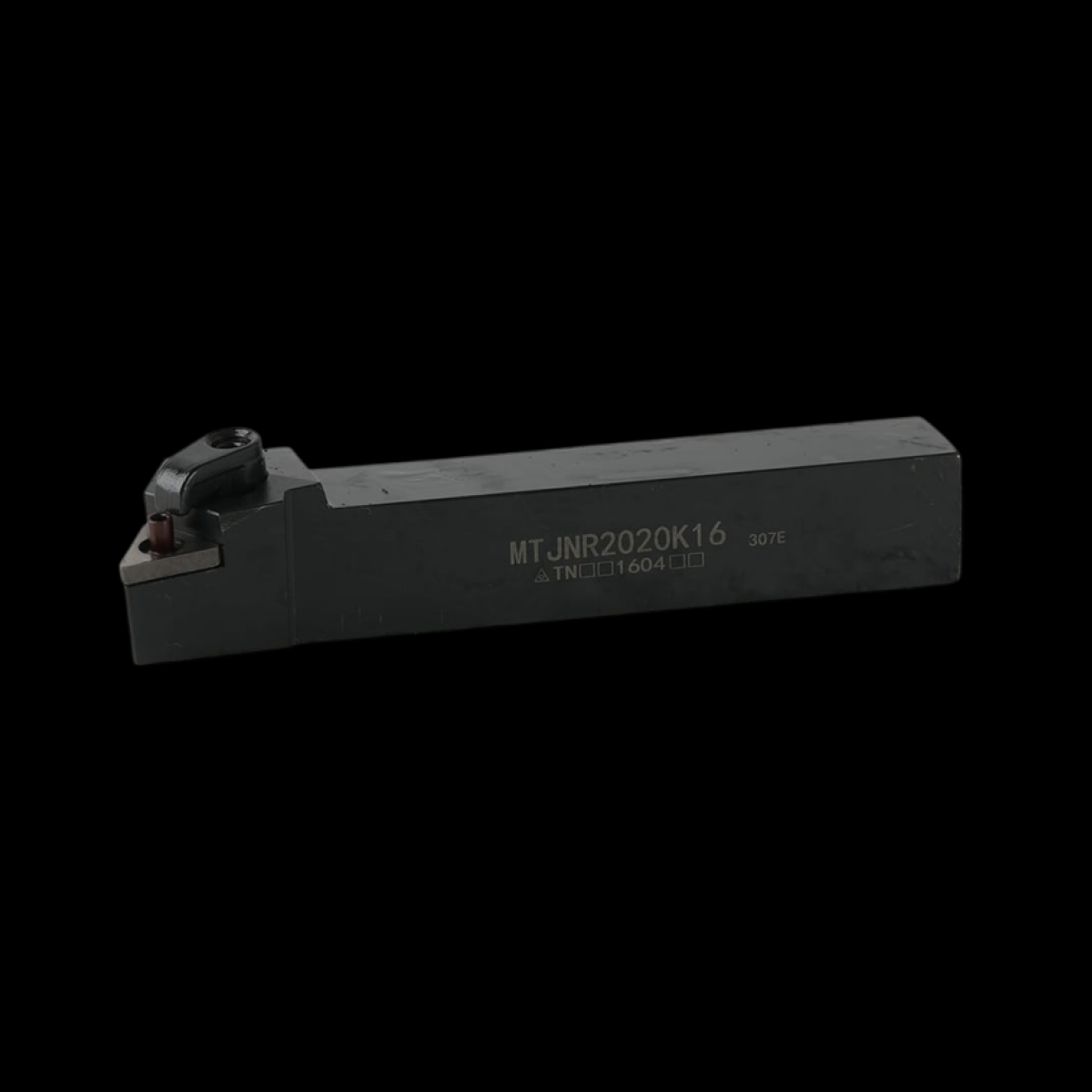
In the realm of machining, cylindrical turning tools and internal hole turning tools are two essential types of cutting tools, but they have distinct characteristics and applications.Geometry and DesignCylindrical turning tools are designed to machine the outer surfaces of cylindrical workpieces. They typically have a relatively robust structure, with a larger shank and cutting edge arrangement that extends outward from the tool body. The cutting edge is often positioned to cut along the circumference of the workpiece, and the tool’s shape is optimized for removing material from the outer diameter. In contrast, internal hole turning tools are slender and elongated, crafted to fit inside the holes of workpieces. Their shanks are narrower to fit through the hole entrance, and the cutting edges are positioned to work in a confined space, facing inward to machine the inner surface of the hole. This design difference is crucial as it directly impacts how each tool interacts with the workpiece during machining.Cutting Operations and Workpiece InteractionWhen it comes to cutting operations, cylindrical turning tools are mainly used for operations like rough turning and finish turning on the outer surfaces of parts such as shafts, axles, and rollers. They can handle high – speed rotations and significant cutting forces, efficiently removing large amounts of material during roughing and achieving precise surface finishes during finishing. Internal hole turning tools, on the other hand, are utilized for tasks such as boring, reaming, and internal threading inside holes. These operations require high precision as even a slight deviation can affect the hole’s diameter, straightness, and surface quality. The cutting process with internal hole turning tools is more delicate due to the limited space and the need to ensure the stability of the tool within the hole.

Chip Evacuation and Cooling ChallengesChip evacuation is another area where these two types of tools differ. Cylindrical turning tools generally have an easier time with chip evacuation since the chips are formed on the outer surface of the workpiece and can fall away more freely. There is ample space for the chips to be removed from the cutting zone, and coolant can be more effectively applied to the cutting edge. In contrast, internal hole turning tools face greater challenges in chip evacuation. The chips are formed inside the hole, and the confined space can cause chips to accumulate, potentially leading to tool breakage or poor surface finish. Special designs, such as spiral flutes or internal coolant channels, are often incorporated into internal hole turning tools to help evacuate chips and keep the cutting edge cool, but this still remains a more complex issue compared to cylindrical turning.Tool Selection and Application ScenariosThe choice between cylindrical and internal hole turning tools depends on the specific machining requirements. Cylindrical turning tools are ideal for applications where the outer surface of a cylindrical part needs to be shaped, sized, or finished, which is common in the production of many automotive components like engine crankshafts and transmission shafts. Internal hole turning tools, however, are essential when creating or refining holes in workpieces. This includes manufacturing engine blocks, where precise holes are needed for cylinders, coolant passages, and oil galleries, as well as in the production of hydraulic components and various mechanical parts with internal features.
Contact us:[email protected]