

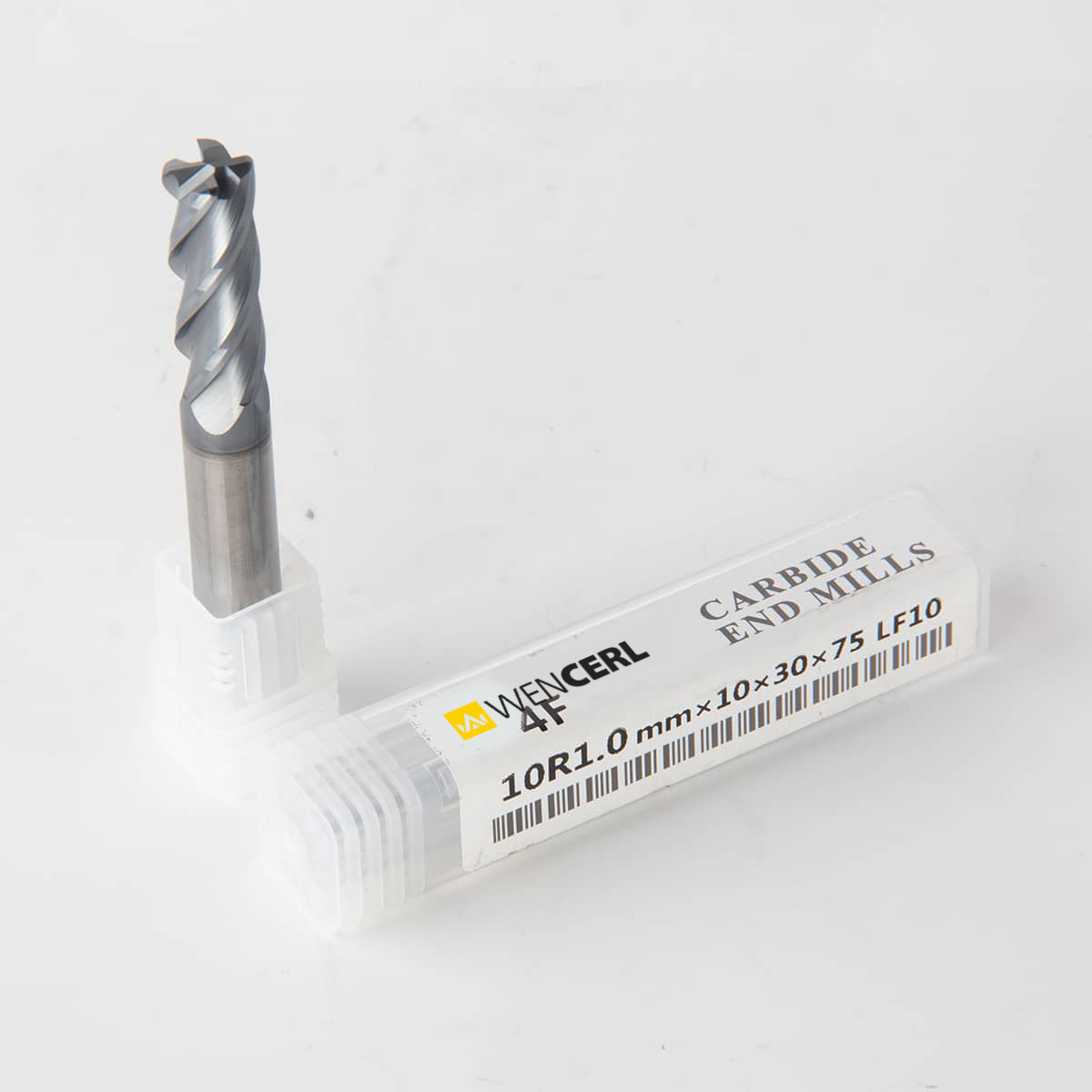
In the dynamic world of machining, milling cutters are indispensable tools that shape and transform raw materials into precise components. Understanding the structure of milling cutters is key to optimizing machining operations and achieving superior results.At the core of a milling cutter lies the cutter body, the foundation that provides structural integrity. Typically crafted from high – strength steel or carbide, the cutter body is designed to withstand the rigors of high – speed rotation and heavy cutting forces. Its shape and size vary depending on the type of milling operation, whether it’s face milling, end milling, or slot milling.Projecting from the cutter body are the cutting edges, the business end of the milling cutter. These edges are meticulously ground to specific angles and geometries to ensure efficient chip formation and smooth cutting. Made from hard and wear – resistant materials such as carbide or high – speed steel (HSS), the cutting edges are responsible for removing material from the workpiece. Their sharpness and durability directly impact the quality of the cut surface and the tool’s lifespan.Flutes, the spiral or straight grooves on the cutter body, play a crucial role in chip evacuation. As the milling cutter rotates, chips are formed at the cutting edges and need to be removed from the cutting zone to prevent clogging and overheating. Flutes act as channels, guiding the chips away from the workpiece and towards the outside of the cutter. The number of flutes on a milling cutter can vary, with more flutes generally providing higher cutting speeds and better surface finishes, but also reducing the chip – evacuation capacity.

The shank is another essential part of the milling cutter structure. It serves as the connection between the cutter and the milling machine’s spindle. Shanks come in different types, such as straight shanks and tapered shanks. Straight shanks are commonly used for smaller cutters and are held in place by collets, while tapered shanks provide a more secure and rigid connection, making them suitable for larger and heavier cutters.Some advanced milling cutters also feature additional components like indexable inserts. These inserts are replaceable cutting elements that can be easily swapped out when they become worn. Indexable inserts offer several advantages, including reduced tool – changing time, lower costs, and the ability to use different cutting geometries for various machining applications.Moreover, modern milling cutters may incorporate coolant channels within the cutter body. These channels direct coolant to the cutting edges, which helps to reduce friction, dissipate heat, and improve chip evacuation. By keeping the cutting edges cool and lubricated, coolant channels enhance the tool’s performance and extend its lifespan.

In conclusion, the structure of a milling cutter is a complex and well – engineered system, with each component playing a vital role in the machining process. From the sturdy cutter body to the sharp cutting edges, efficient flutes, and reliable shanks, understanding these elements allows machinists to make informed decisions when selecting the right milling cutter for their specific applications. Whether you’re a seasoned professional or a budding enthusiast, delving into the structure of milling cutters unlocks the potential for more precise, efficient, and productive machining operations.
Contact us:[email protected]