

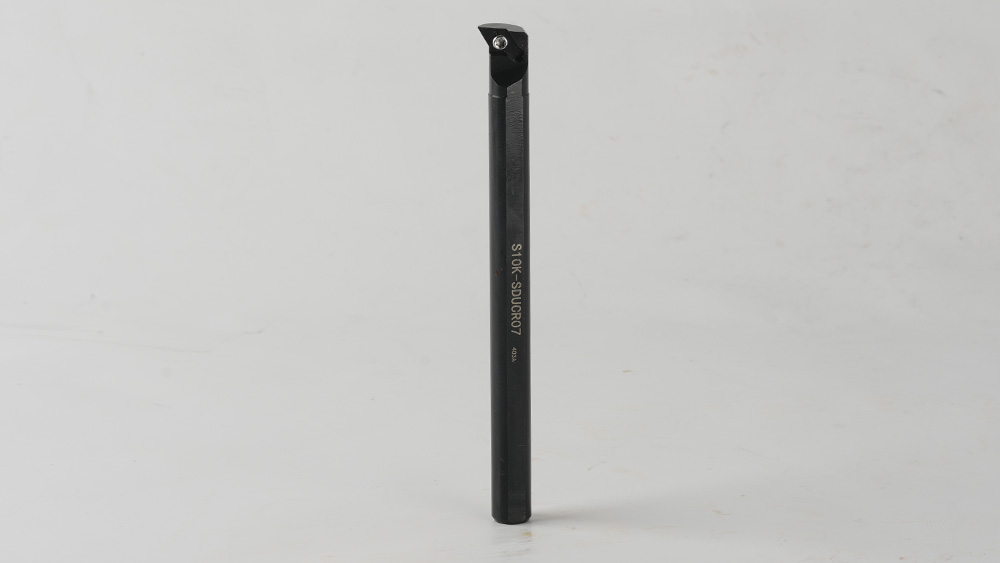
Key Types of Internal Turning Tools
- Boring Bars
Boring bars are versatile tools designed to enlarge existing holes and refine their dimensions. They come in various sizes and shapes, allowing for flexibility in different applications. Choose the right boring bar to enhance accuracy and efficiency in your projects. - Internal Grooving Tools
Internal grooving tools are used to create grooves within a workpiece. These tools are crucial for tasks that require precision grooves or channels, such as in aerospace components. Proper selection and use of internal grooving tools can improve your machining processes significantly. - Internal Threading Tools
Internal threading tools are specialized for cutting internal threads. They are used in various industries, including automotive and manufacturing, to create threads within holes. Mastering internal threading tools ensures that threads are precise and functional.
Choosing the Right Tool for Your Needs
Selecting the right internal turning tool depends on several factors, including the material of the workpiece and the desired outcome. Consider the following:
- Material Compatibility
Ensure that the tool material is compatible with the workpiece. For example, carbide tools are suitable for hard materials, while High-Speed Steel (HSS) tools are better for softer materials. - Tool Geometry
Different tool geometries are designed for specific tasks. For instance, some tools have a higher cutting edge for deeper holes, while others are designed for finer finishes. Choose a tool that matches your project requirements. - Cutting Conditions
Assess the cutting conditions, such as speed and feed rates. Proper adjustment can prevent tool wear and extend tool life.
Techniques for Effective Internal Turning
- Proper Tool Setup
Ensure that your internal turning tools are correctly set up in the machine. Misalignment can lead to inaccuracies and damage. Follow the manufacturer’s guidelines for tool installation and alignment. - Optimal Cutting Parameters
Adjust cutting parameters such as speed, feed rate, and depth of cut. Using the correct parameters can improve surface finish and reduce tool wear. - Regular Maintenance
Regular maintenance of internal turning tools is essential for longevity and performance. Clean tools after each use and inspect for any signs of wear or damage. Replace worn tools promptly to maintain machining accuracy.
Common Challenges and Solutions
- Tool Wear
Tool wear is a common issue in internal turning. To mitigate this, use tools with high wear resistance and regularly check and replace worn components. - Chip Removal
Efficient chip removal is crucial to prevent clogging and maintain machining quality. Utilize tools with effective chip management features or implement proper coolant systems. - Surface Finish Quality
Achieving a high-quality surface finish can be challenging. Use the appropriate tool and cutting parameters to ensure a smooth finish. Regularly inspect the workpiece for defects and adjust settings as needed.
Conclusion
Mastering internal turning tools involves understanding their types, choosing the right tool for your needs, and employing effective techniques. By addressing common challenges and maintaining your tools, you can achieve superior results in your machining projects. Equip yourself with the knowledge and skills to enhance your precision and efficiency in working with internal surfaces.