

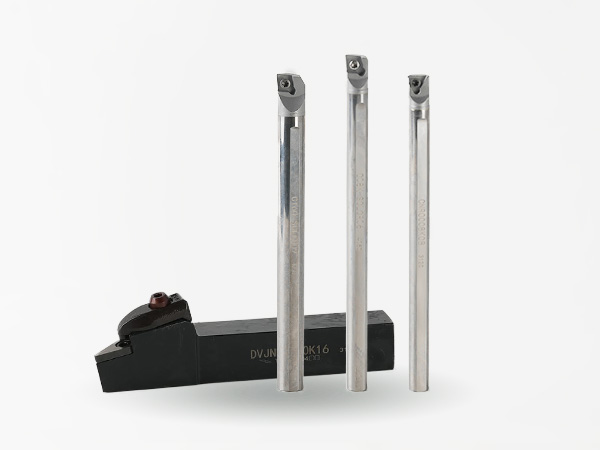
The Importance of Cylindrical Turning Tools in Machining
Cylindrical turning tools are used in lathes to machine the outer and inner surfaces of cylindrical workpieces. This process, known as turning, involves rotating the workpiece while a single-point cutting tool removes material to achieve the desired shape and size.
Precision and Accuracy
Cylindrical turning tools are essential for achieving high levels of precision and accuracy in machining. They allow for the precise control of dimensions, ensuring that each part meets stringent tolerances. This is particularly important in industries such as aerospace and automotive, where even the slightest deviation can lead to significant performance issues.
Versatility in Applications
These tools are incredibly versatile, capable of performing a variety of turning operations, including facing, tapering, contour turning, and grooving. This versatility makes cylindrical turning tools ideal for producing a wide range of parts, from simple shafts to complex components with intricate geometries.
Key Benefits of Cylindrical Turning Tools
The use of cylindrical turning tools offers several advantages that enhance both the quality and efficiency of machining operations.
Enhanced Surface Finish
Cylindrical turning tools are designed to produce smooth and consistent surface finishes. The sharpness and stability of the cutting edge ensure minimal tool chatter and vibration, resulting in a high-quality finish that meets the required specifications.
Improved Tool Life
Cylindrical turning tools are often made from durable materials like carbide or High-Speed Steel (HSS), which provide excellent wear resistance and toughness. This durability translates to a longer tool life, reducing the need for frequent tool changes and lowering overall production costs.
Selecting the Right Cylindrical Turning Tools
Choosing the appropriate cylindrical turning tools for your specific application is key to optimizing performance and achieving the desired machining outcomes.
Tool Material and Coating
The material of the cylindrical turning tool is crucial in determining its performance. Carbide tools are widely used for their hardness and wear resistance, making them suitable for machining tough materials like steel. Coatings such as Titanium Nitride (TiN) or Aluminum Oxide (Al2O3) can further enhance the tool’s performance by reducing friction and increasing its lifespan.
Tool Geometry
The geometry of the cylindrical turning tool, including the shape of the cutting edge and the rake angle, plays a significant role in determining the quality of the cut. Tools with optimized geometries ensure efficient chip removal, reduce cutting forces, and prevent issues like tool deflection, leading to more precise and accurate machining.
Maximizing the Performance of Cylindrical Turning Tools
To fully leverage the benefits of cylindrical turning tools, it’s important to follow best practices in their use and maintenance.
Optimizing Cutting Parameters
Using the correct cutting parameters, such as speed, feed rate, and depth of cut, is essential for maximizing the performance of cylindrical turning tools. Adhering to the manufacturer’s guidelines helps to achieve the best possible material removal rates while minimizing tool wear.
Routine Inspection and Maintenance
Regular inspection of cylindrical turning tools for wear and damage is crucial for maintaining machining efficiency and quality. Replacing worn or damaged tools promptly ensures consistent performance and prevents potential issues with part quality.
Conclusion: The Backbone of Precision Machining
Cylindrical turning tools are indeed the backbone of precision machining. Their ability to produce accurate, high-quality parts with consistent surface finishes makes them indispensable in a wide range of applications. By selecting the right tools and following best practices, you can enhance the efficiency of your machining processes and achieve superior results in your manufacturing operations.