

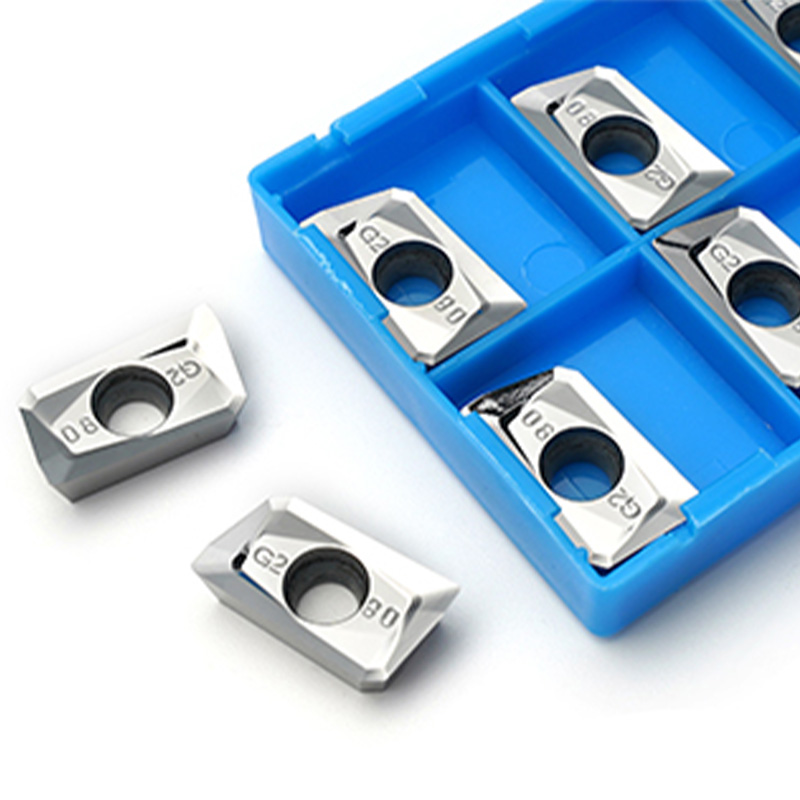
The Role of Milling Inserts in Machining
Milling inserts are small, replaceable cutting tools used in milling machines to remove material from a workpiece. Unlike traditional cutting tools that need to be resharpened, milling inserts can be easily replaced once they become worn, ensuring continuous, efficient operation.
Versatility Across Applications
Milling inserts are used in a variety of milling operations, including face milling, shoulder milling, profiling, and slotting. Their versatility makes them suitable for a wide range of materials, from soft aluminum to hard steel. This adaptability allows manufacturers to achieve precise cuts and high-quality finishes, regardless of the material being machined.
Enhanced Durability and Performance
Milling inserts are typically made from durable materials like carbide, ceramics, or cermets, which provide excellent wear resistance and toughness. These properties allow milling inserts to maintain sharp cutting edges and resist deformation, even under high cutting forces and temperatures. As a result, they contribute to longer tool life and more consistent machining performance.
Key Benefits of Using Milling Inserts
The use of milling inserts offers several advantages that enhance both the efficiency and quality of milling operations.
Improved Material Removal Rates
One of the primary benefits of milling inserts is their ability to achieve high Material Removal Rates (MRR). The sharp cutting edges and optimized geometry of milling inserts allow for faster and more efficient cutting, reducing cycle times and increasing productivity. This is particularly beneficial in high-volume manufacturing environments where time is of the essence.
Consistent Surface Finishes
Milling inserts are designed to deliver consistent surface finishes across a range of machining operations. The precision and stability of the inserts ensure that the cutting action remains smooth and controlled, minimizing tool chatter and surface imperfections. This consistency is crucial for producing high-quality components with tight tolerances.
Selecting the Right Milling Inserts
Choosing the appropriate milling inserts is essential for optimizing material removal efficiency and achieving the desired machining outcomes.
Insert Geometry and Chip Control
The geometry of a milling insert, including its shape, rake angle, and chip breaker design, plays a significant role in determining its cutting performance. Inserts with positive rake angles reduce cutting forces and generate less heat, making them ideal for softer materials. On the other hand, negative rake angles provide more edge strength for cutting harder materials. Chip control features, such as chip breakers, help manage the size and shape of the chips produced, preventing chip buildup and enhancing machining efficiency.
Material and Coating Considerations
The material and coating of the milling insert also impact its performance. Carbide inserts are widely used due to their hardness and wear resistance, while ceramic and cermet inserts offer superior heat resistance for high-speed machining. Coatings such as Titanium Nitride (TiN) or Aluminum Oxide (Al2O3) can further enhance the wear resistance and thermal stability of the inserts, prolonging their lifespan and maintaining cutting performance.
Maximizing the Efficiency of Milling Inserts
To fully leverage the benefits of milling inserts, it’s important to follow best practices for their use and maintenance.
Optimizing Cutting Parameters
Running milling inserts at the optimal cutting speeds, feed rates, and depths of cut is crucial for maximizing their efficiency. Adhering to the manufacturer’s recommended parameters will help you achieve the best possible material removal rates while minimizing tool wear.
Routine Inspection and Replacement
Regular inspection of milling inserts for signs of wear, such as chipping or rounding of the cutting edges, is essential for maintaining machining efficiency. Timely replacement of worn inserts ensures consistent performance and prevents potential damage to the workpiece or the milling machine.
Conclusion: The Essential Role of Milling Inserts in Modern Machining
Milling inserts are essential tools for efficient material removal in modern machining operations. Their versatility, durability, and ability to deliver consistent results make them invaluable in a wide range of applications. By selecting the right inserts and following best practices for their use, you can enhance the efficiency of your machining processes, reduce costs, and achieve superior product quality.